
The U.S. economy has demonstrated resilience in recent quarters, with notable growth and evolving consumer behaviors. In the first quarter of 2026, the economy expanded at an annualized rate of 2%, rebounding from a 0.5% increase in the previous quarter. This growth was bolstered by recovering conditions post-government shutdown and sustained investments in artificial intelligence sectors.
However, this positive trajectory is tempered by rising inflation, influenced by global events such as the conflict in Iran, which has led to increased energy prices. In March 2026, inflation surged, raising concerns among Federal Reserve officials about the economy’s stability.
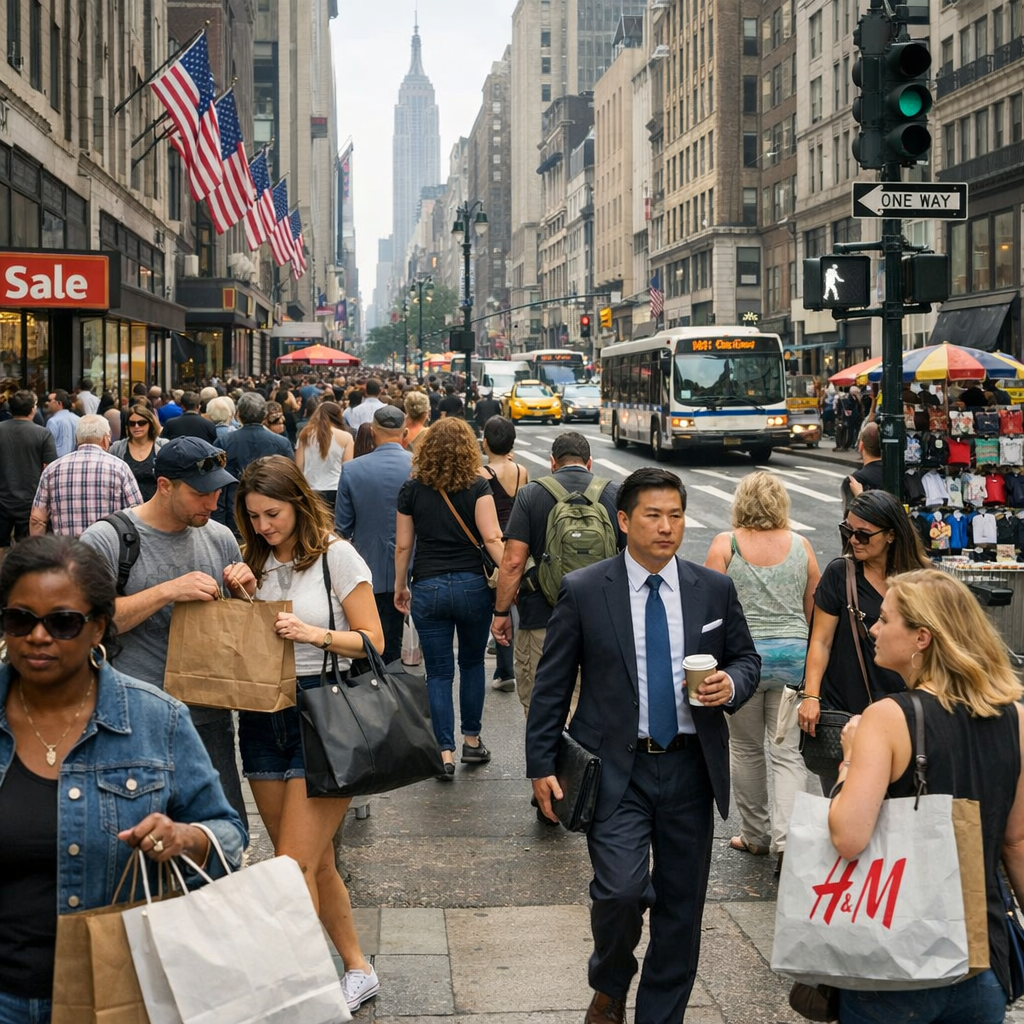
Consumer spending patterns have also shifted. While spending remains robust, there is a growing trend of households outpacing their income growth, leading to a decline in personal savings. The personal saving rate fell to 2.6% in April 2026, down from 3.2% in March, indicating financial pressures on many households.
In summary, the U.S. economy is navigating a complex landscape marked by steady growth and emerging challenges. Staying informed about these developments is crucial for individuals and businesses alike.